Epigenetics, Development and Disease:
Mechanism, Technology and Application

The Embryo
We study how chromatin and epigenetic status are reset and the genome reactivated after fertilization to build a totipotent embryo, and how the different cell lineages are specified and how all these events affect gastrulation and organogenesis.

AGing
We study how aged blood stem cells drift toward myeloid-biased dysfunction, and how targeting specific stem cell subsets and regulators such as clusterin and IL-4/STAT6 signaling can restore balanced blood production and reverse aging phenotypes.
Neurobiology
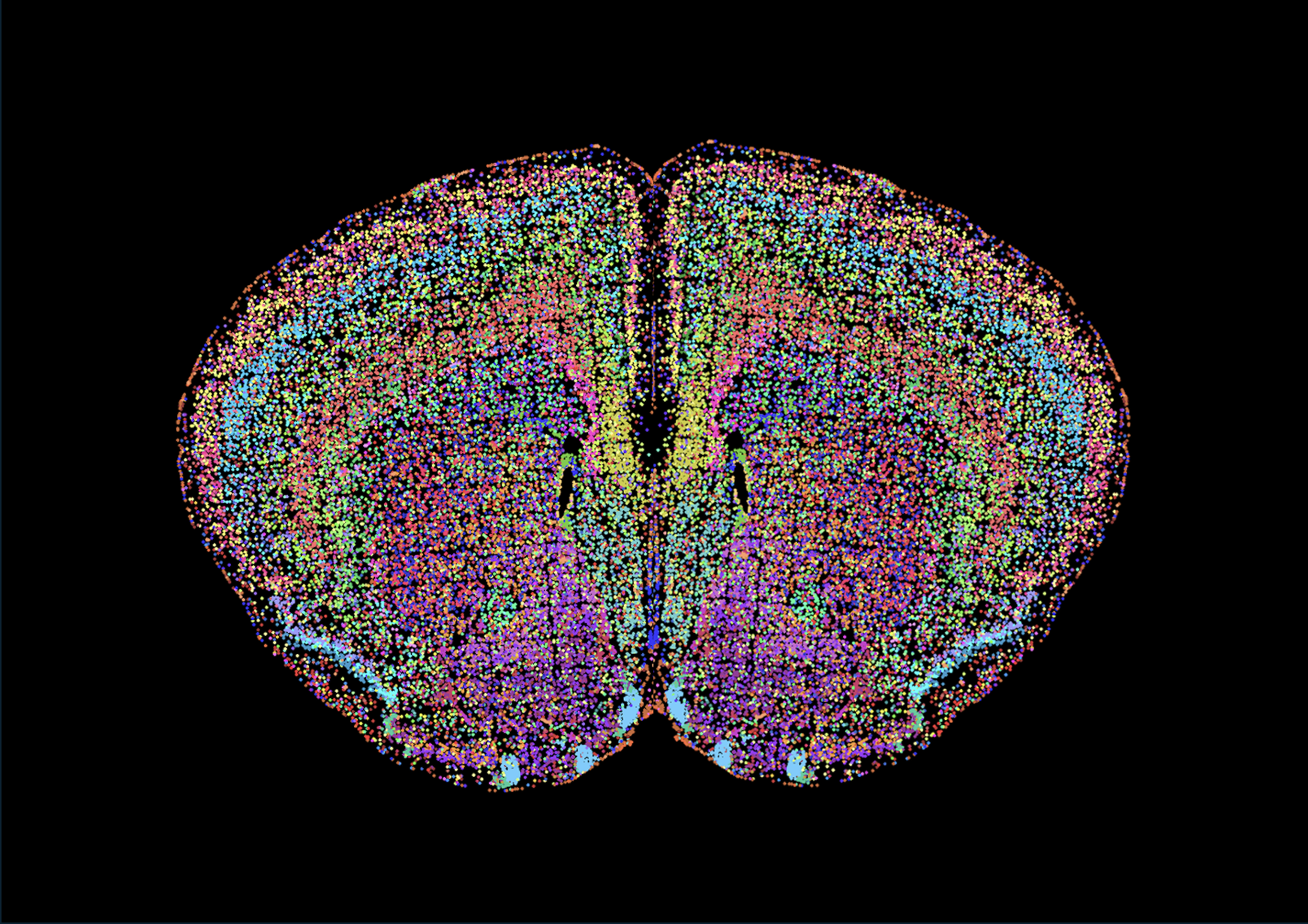
We study how molecularly defined neuronal subtypes and their circuits, spanning the prefrontal cortex (PFC), striatum, and thalamus, govern pain, addiction, and associated behaviors that are implicated in neuropsychiatric disease.
The Zhang lab studies how epigenetic and chromatin modifications regulate gene expression across the arc of life — from embryonic development to adult brain function to aging.
In its earlier phase at UNC-Chapel Hill, the lab used protein biochemistry to identify and characterize a series of foundational epigenetic enzymes, including the NuRD nucleosome-remodeling and deacetylase complex, the PRC2 and PRC1 histone-modifying complexes, the JmjC family of histone demethylases, and the Tet family of 5-methylcytosine dioxygenases (whose oxidized products, 5fC and 5caC, the lab helped define). This biochemical foundation — spanning enzyme purification, genomic mapping, and functional validation in mouse models — revealed how these enzymes govern transcription, cell-fate reprogramming, and disease processes such as metabolic syndrome and cancer, and helped launch the biotech company Epizyme.
Since relocating to Harvard Medical School and Boston Children's Hospital in 2012, the lab has applied this mechanistic foundation to three interconnected areas of biology:
Embryo Biology & Epigenetics — the molecular events that reprogram the genome during mouse preimplantation development
Aging & Hematopoiesis — how age-dependent changes in hematopoietic stem cell function drive whole-body aging
Neurobiology & Brain Circuits — the epigenetic and circuit-level basis of brain reward, drug addiction, and pain processing
Because many of these biological systems involve small or rare cell populations, the lab has pioneered single-cell and low-input methods for genomic, epigenomic, and transcriptomic profiling. Current approaches include single-cell and spatial transcriptomics/epigenomics, dTAG-based protein degradation, CRISPR-based functional screens, cell lineage tracing, and neuronal activity recording and manipulation paired with behavioral models.