Embryo and Developmental Biology
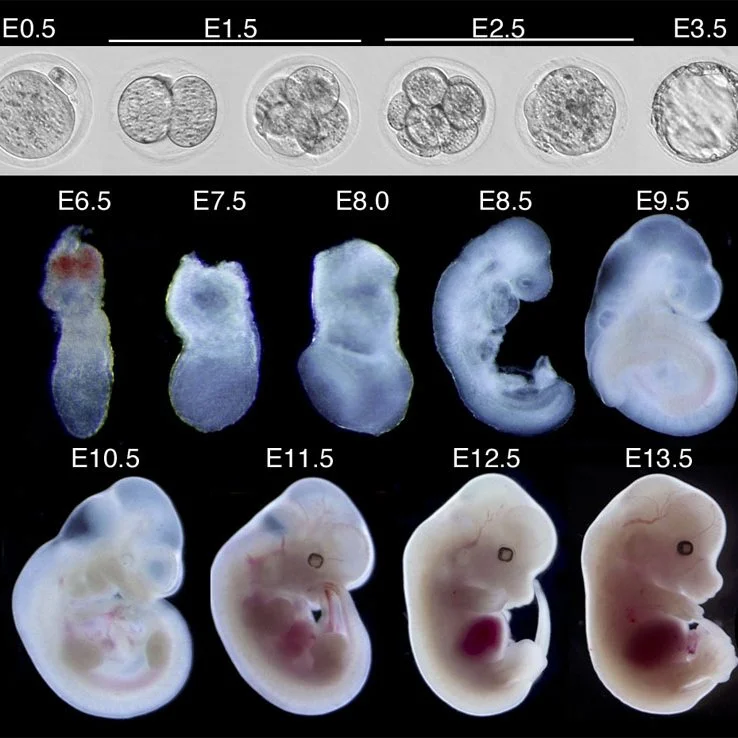
Following fertilization, the specialized chromatin states of sperm and egg must be rapidly reprogrammed to generate a totipotent embryo. This transformation unfolds within hours, across tightly choreographed divisions during which the genome is reset, reactivated, and repackaged to support development of every cell type. The Zhang Lab studies the molecular mechanisms driving this process in mammalian preimplantation embryos, defining how epigenetic information is inherited, erased, and rebuilt during this earliest life-cycle transition.
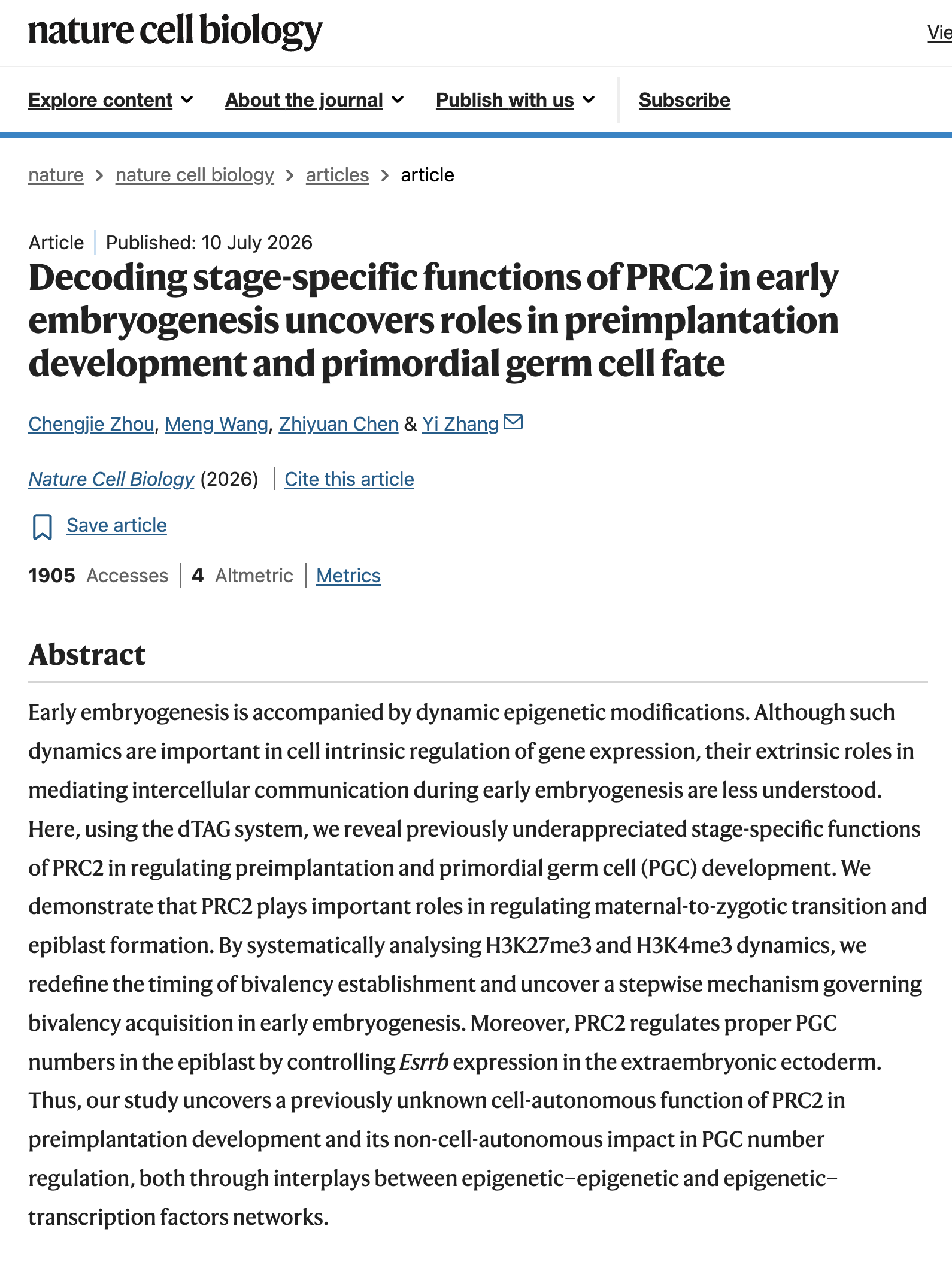
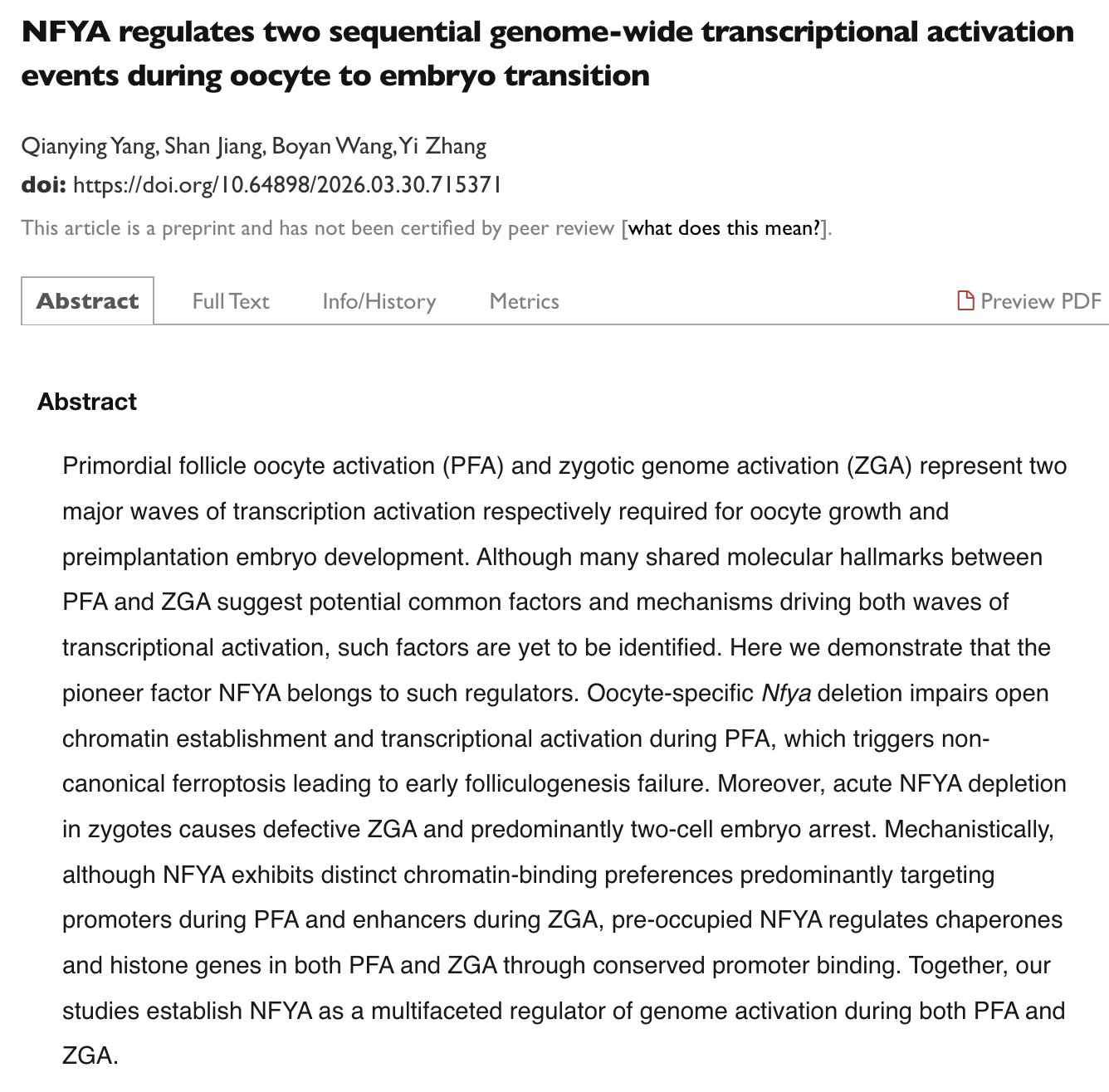
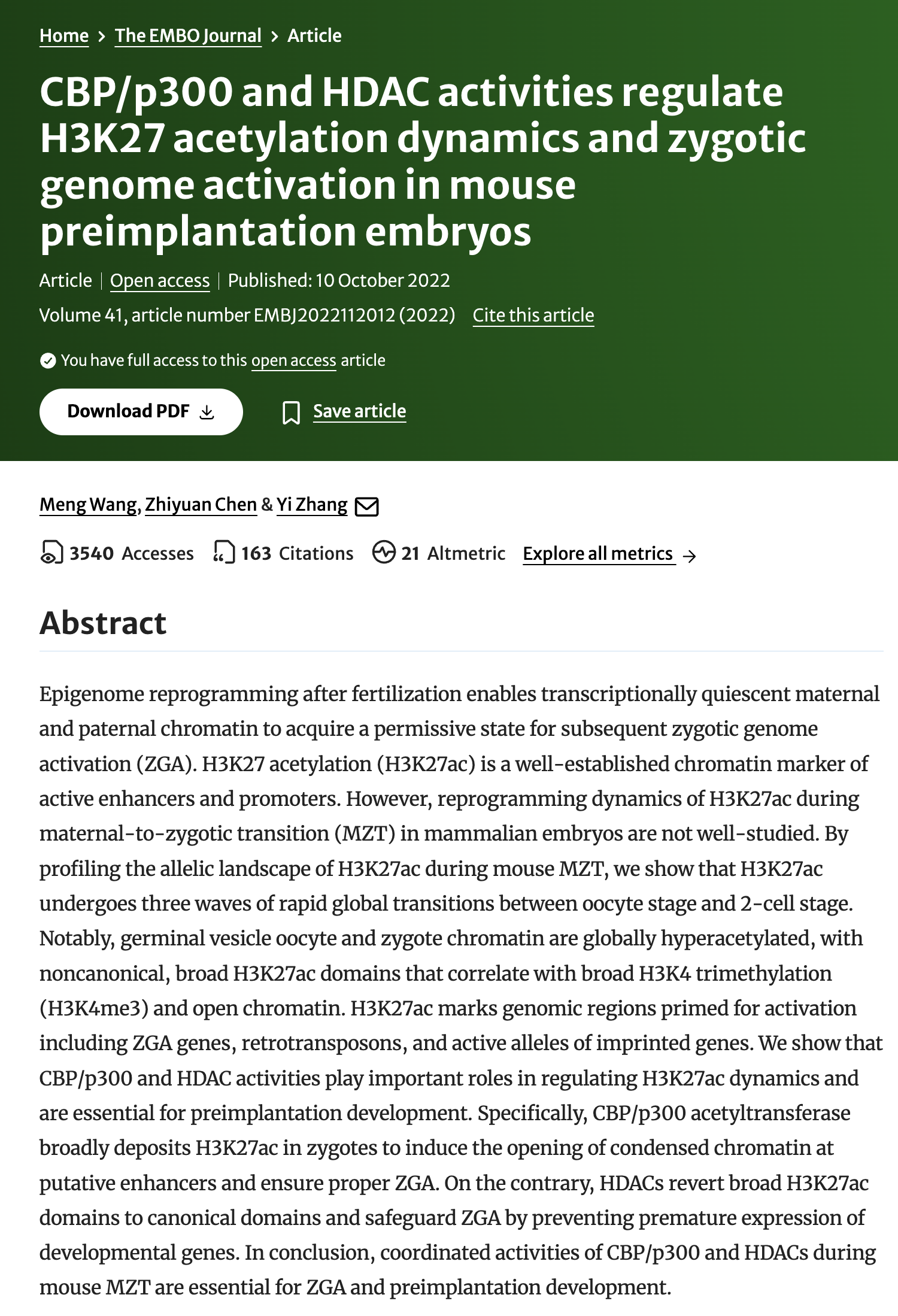
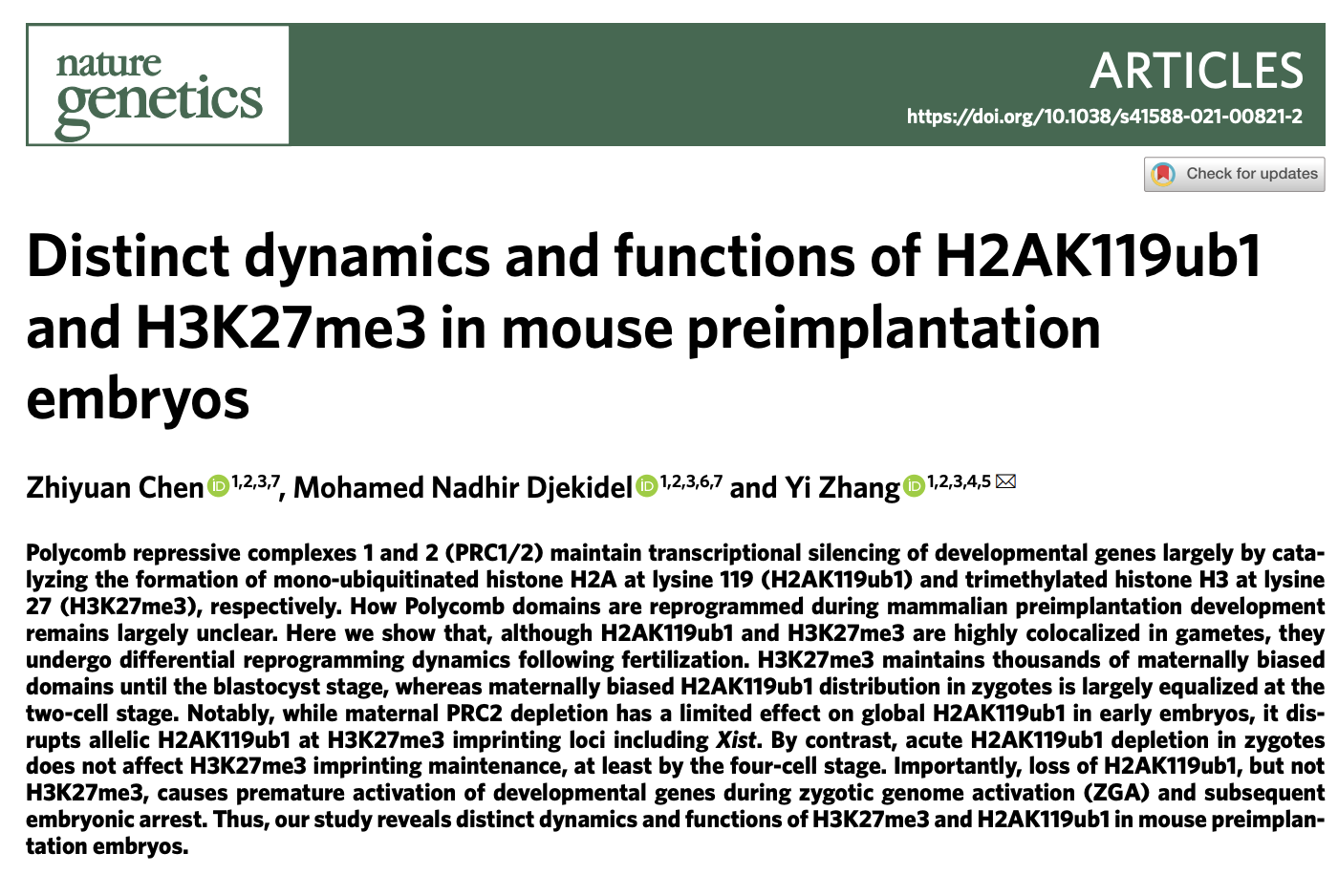
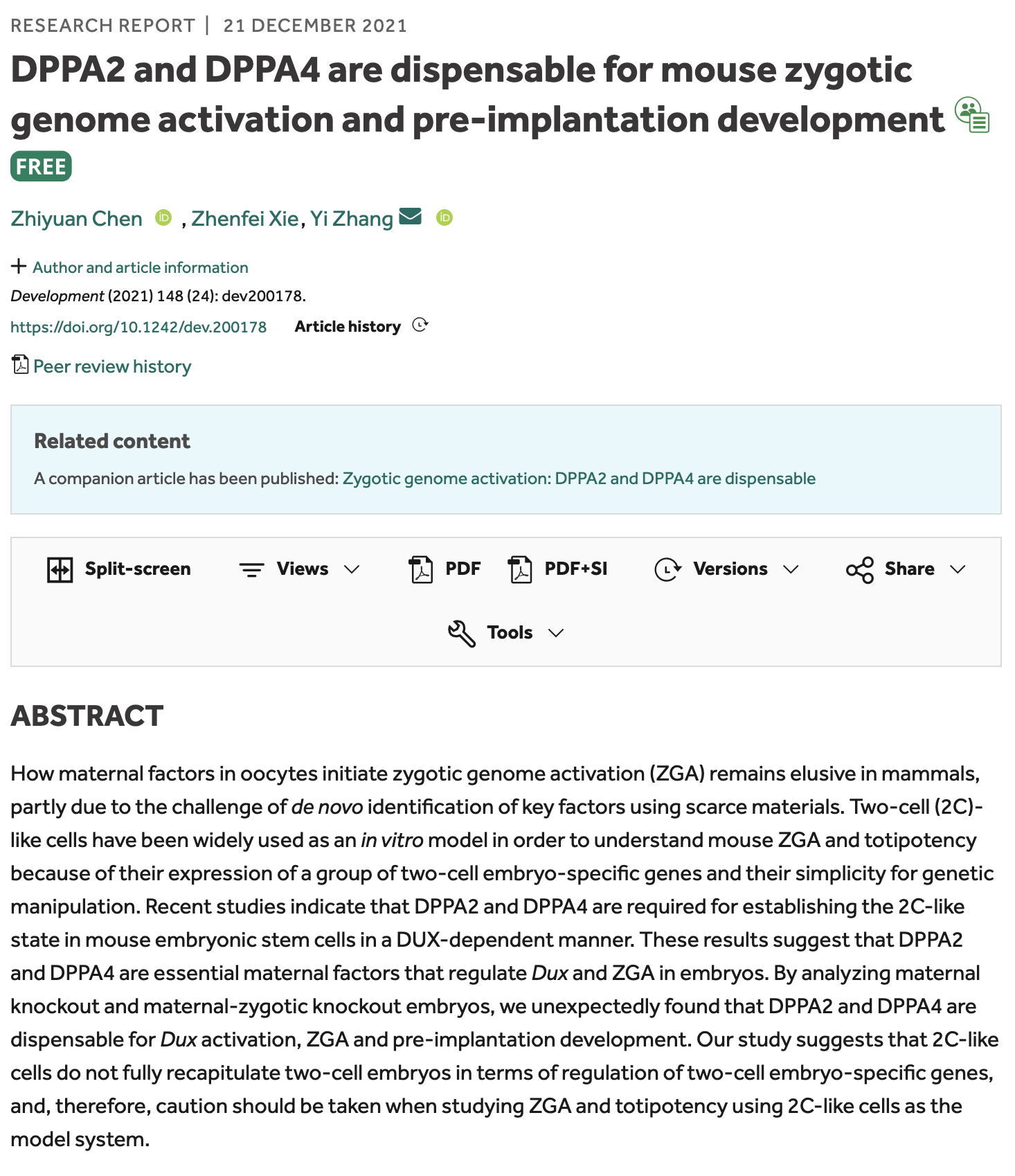
Our work shows how histone modifications, including H3K27me3, H3K4me3, H2AK119ub1, and H3K27ac, are inherited from the oocyte, dynamically remodeled after fertilization, and deployed to control zygotic genome activation (ZGA), when the embryo's own genome takes over from maternal gene products. These marks are actively redistributed to determine which genes are poised for expression, shaping the earliest cell fate decisions.
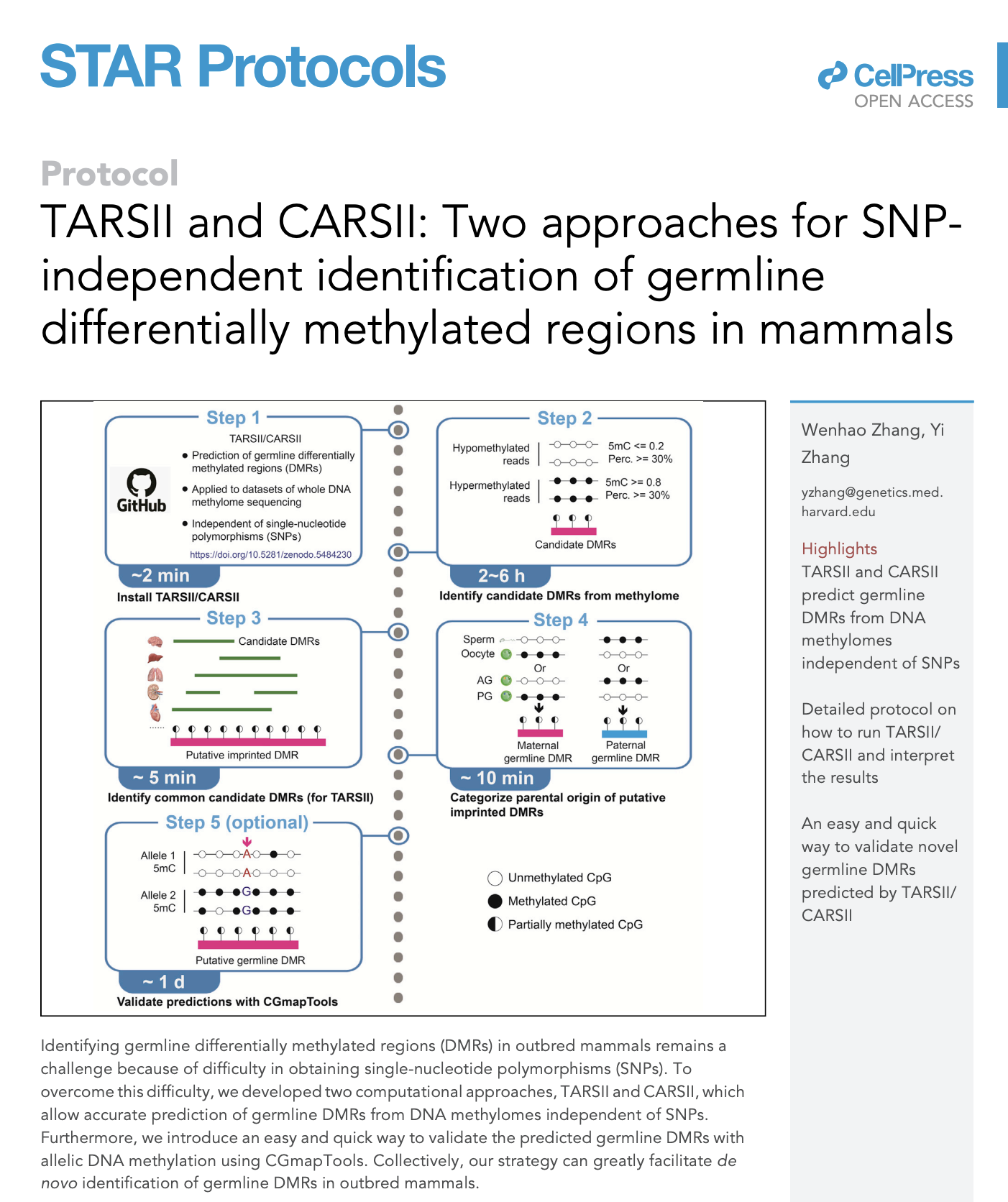
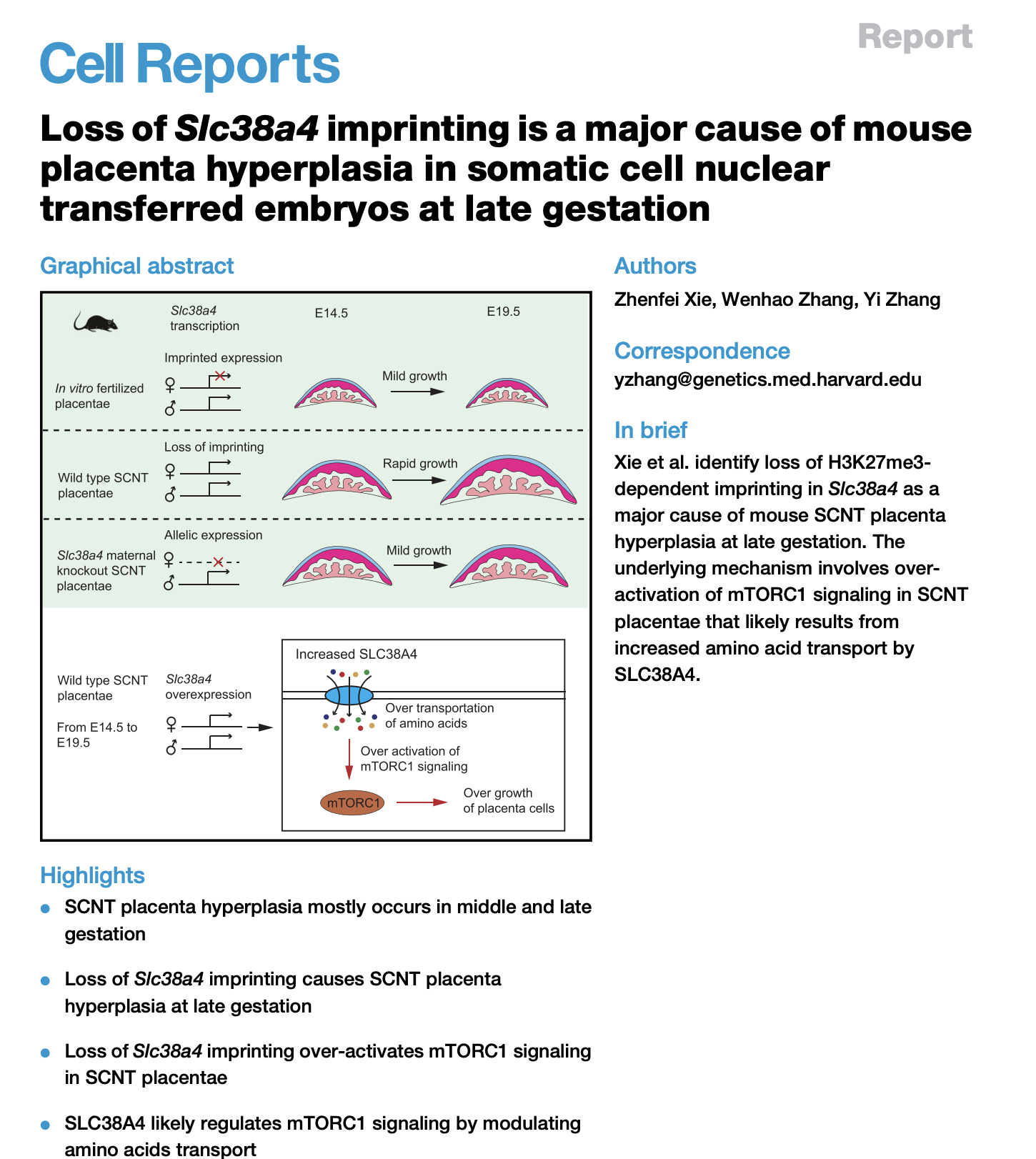
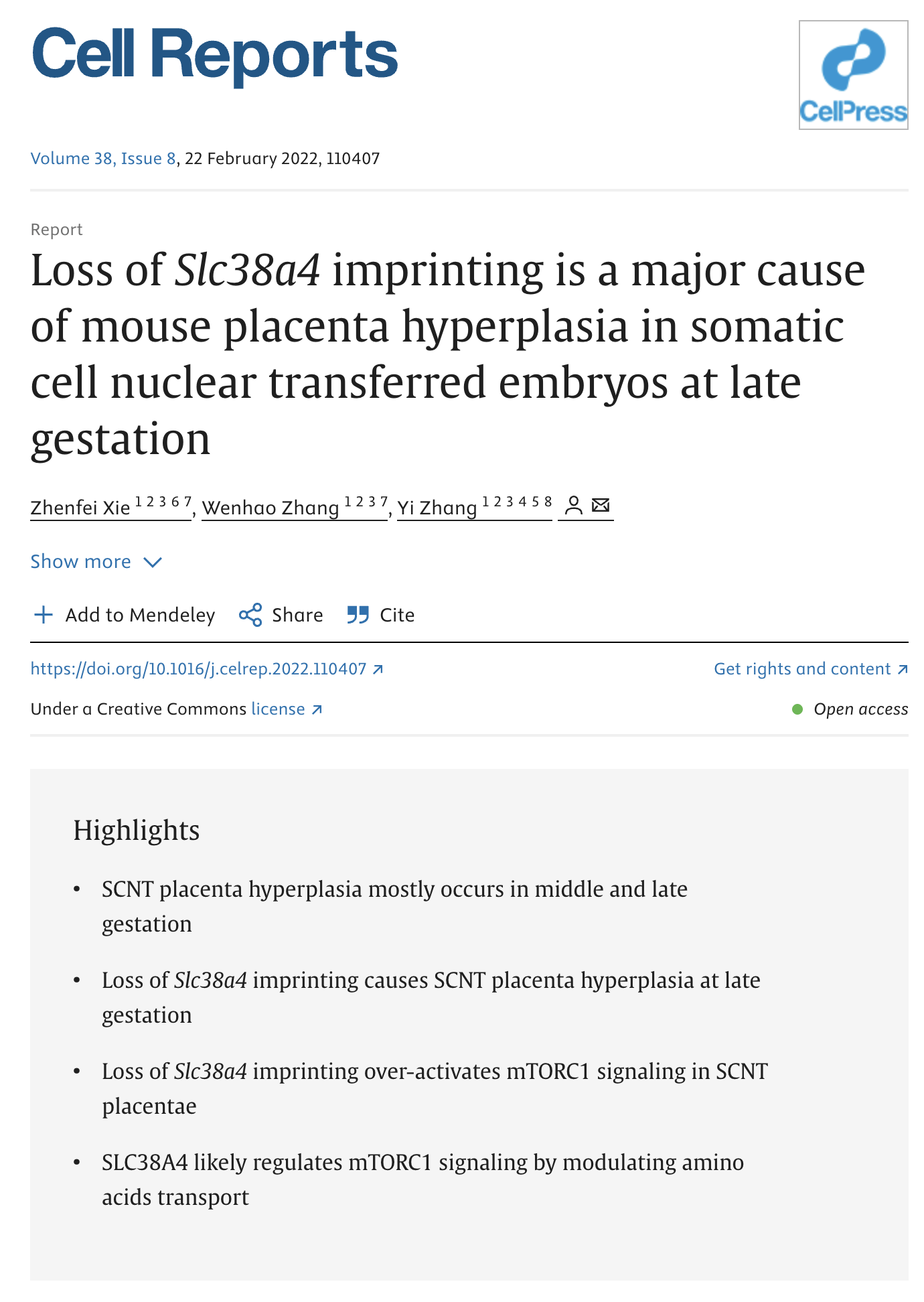
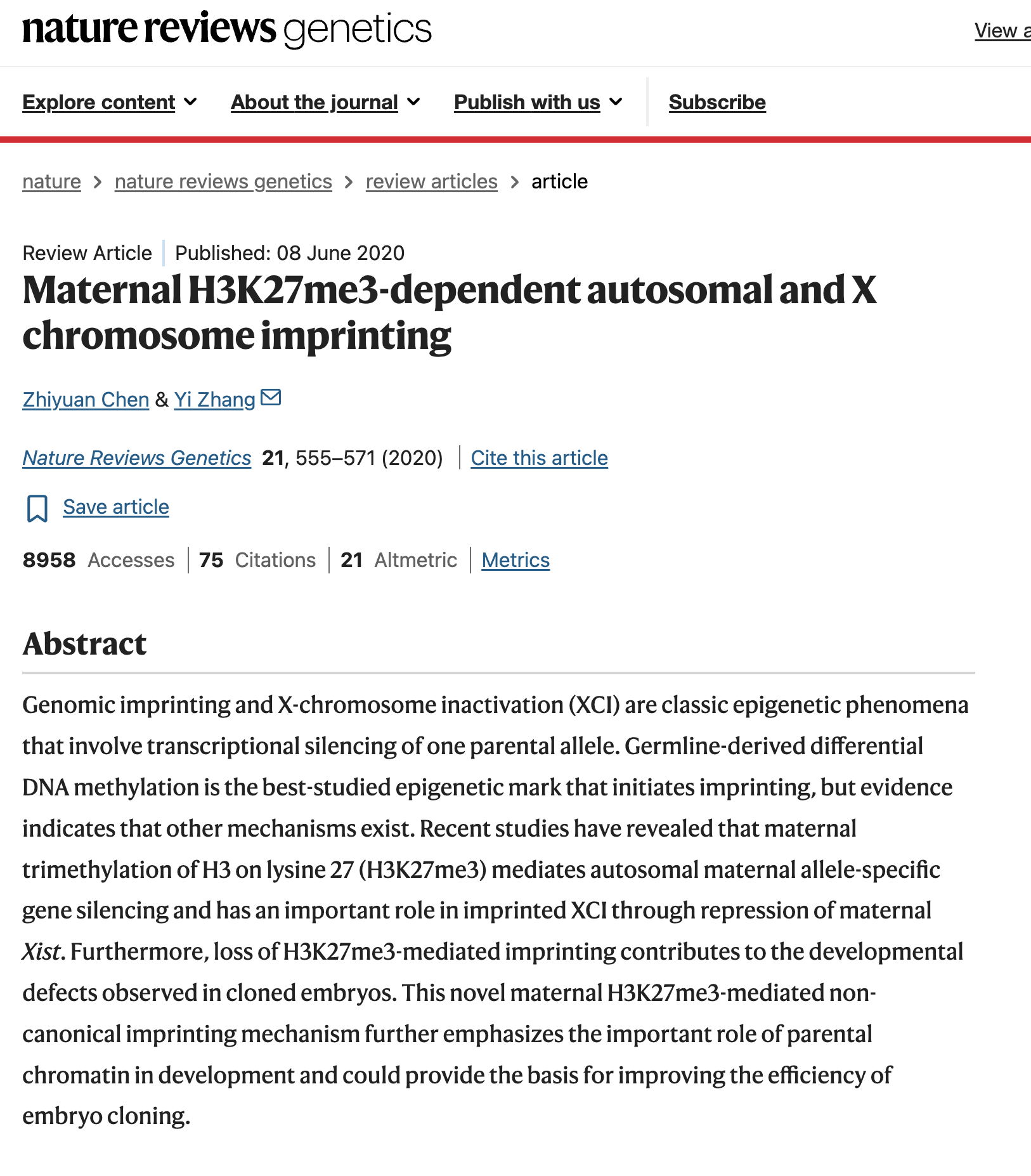
A central discovery is that maternal H3K27me3 serves as a DNA methylation-independent mechanism for genomic imprinting, distinguishing maternal from paternal alleles. This overturned the assumption that imprinting relies on a single mechanism, and has clinical relevance: disruption of these histone-based imprints is a key barrier to successful somatic cell nuclear transfer (cloning), helping explain frequent developmental failure despite intact genetic material.
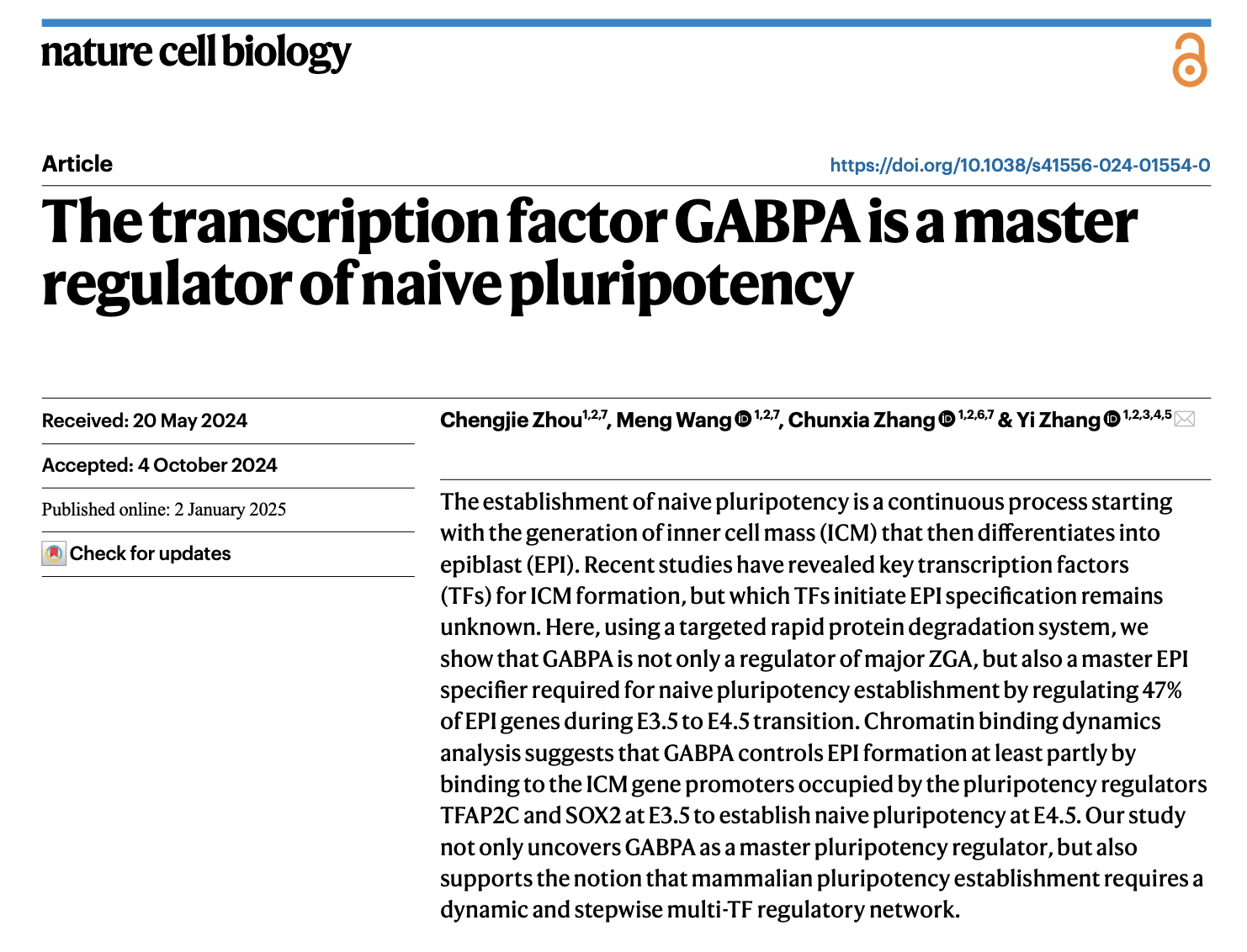
More recently, we identified GABPA as a master transcription factor regulating both ZGA and epiblast specification, revealing a stepwise, multi-factor network underlying naive pluripotency rather than a single switch.
Because early embryos are scarce, our progress depends on new low-input epigenomic and single-cell profiling technologies that map chromatin states directly in mouse and human embryos. This work has direct implications for infertility, IVF outcomes, and congenital disease.
Recent Publications