Brain Reward and Addiction
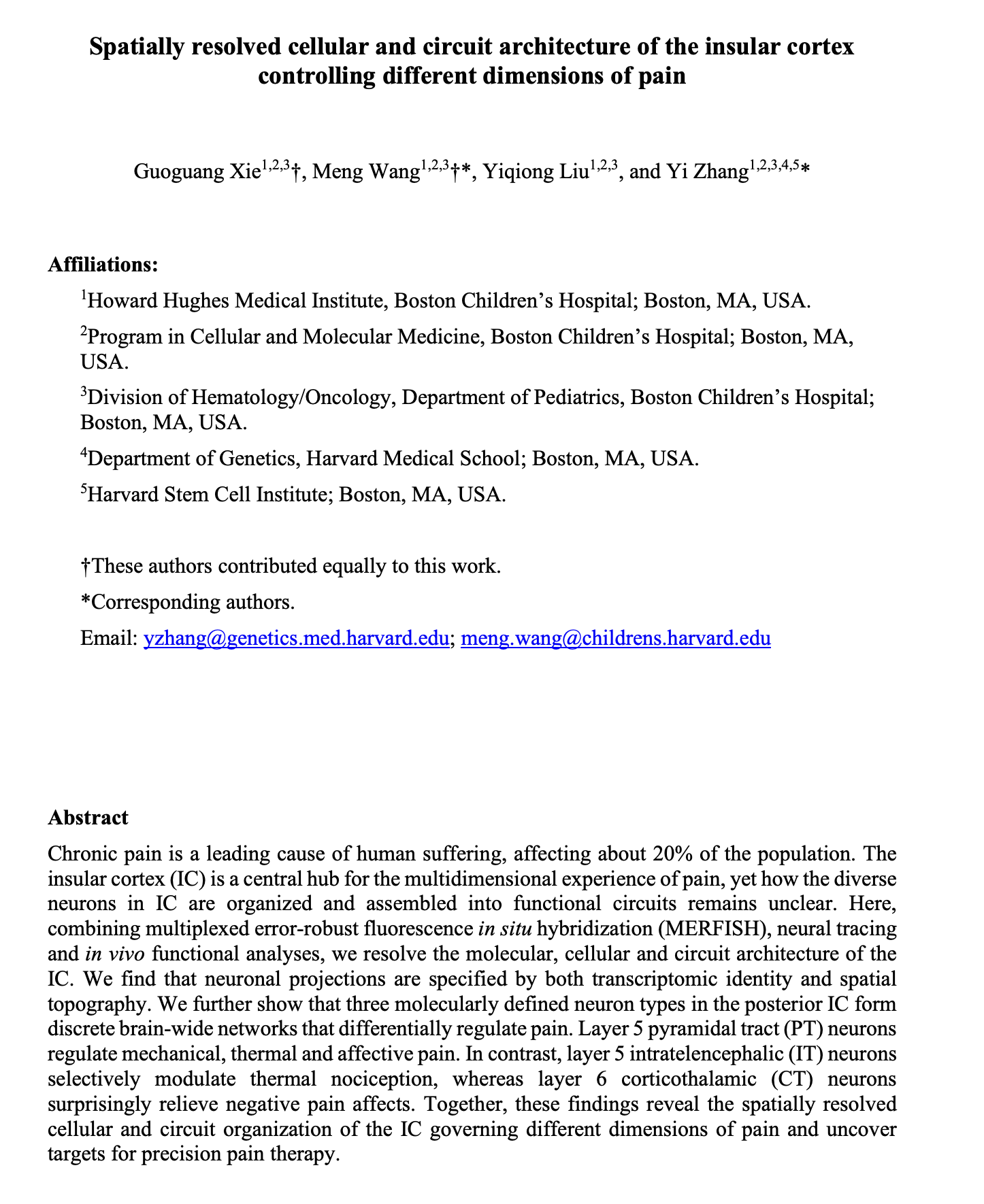
Complex behaviors like pain perception, social interaction, feeding, and reward arise from molecularly distinct neuronal subtypes embedded in specific long-range circuits, not broad anatomical regions. Our lab combines single-cell transcriptomics, viral circuit tracing, chemogenetics, optogenetics, and fiber photometry to identify these subtypes and define how their connectivity shapes behavior and disease.
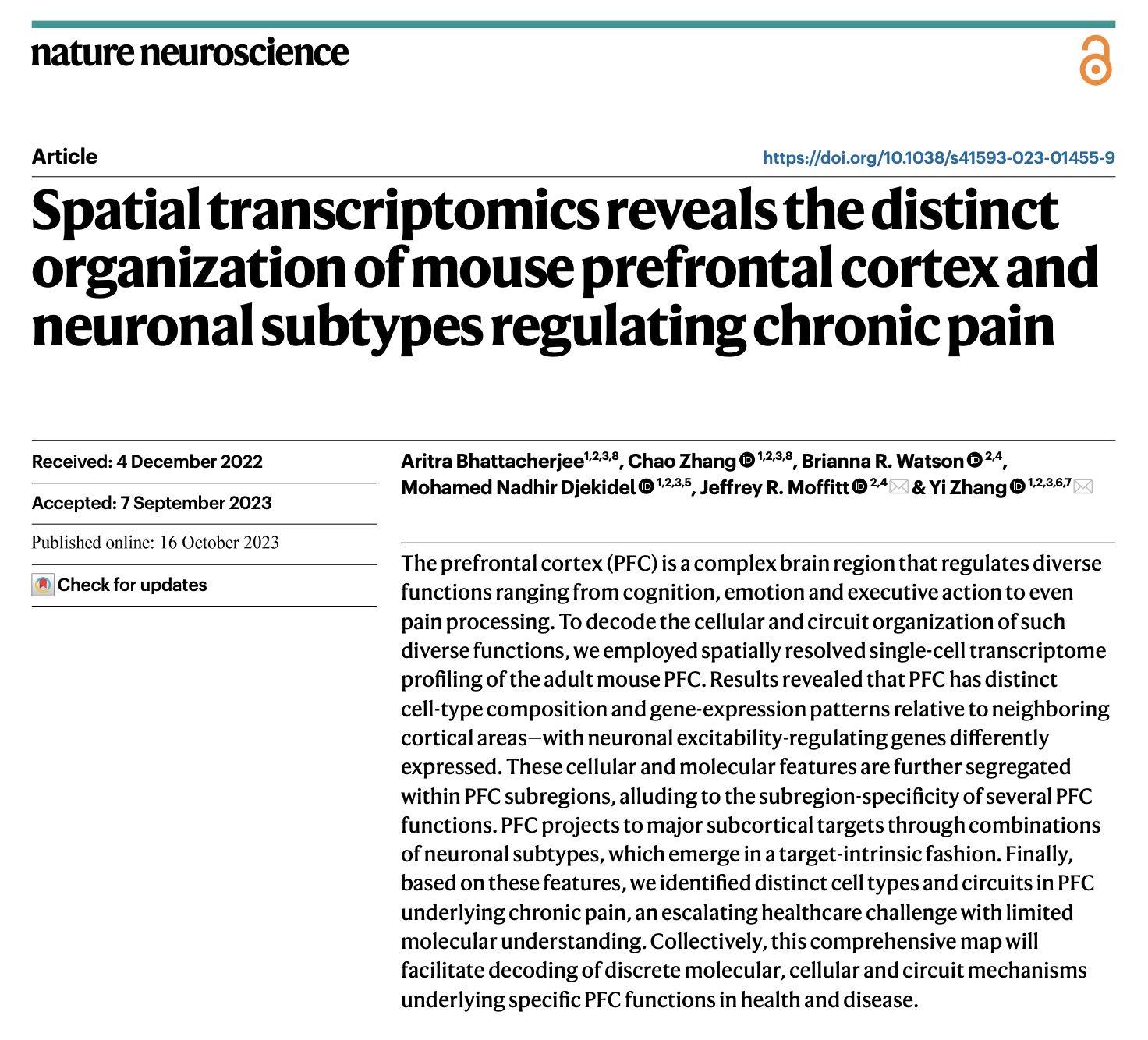
We generated a single-cell transcriptomic atlas of the adult mouse prefrontal cortex (PFC), revealing a cell-type composition distinct from neighboring cortical areas, with specific neuronal subtype combinations projecting to distinct subcortical targets. This atlas provides a reference for linking molecularly defined cell types to PFC functions, including chronic pain.
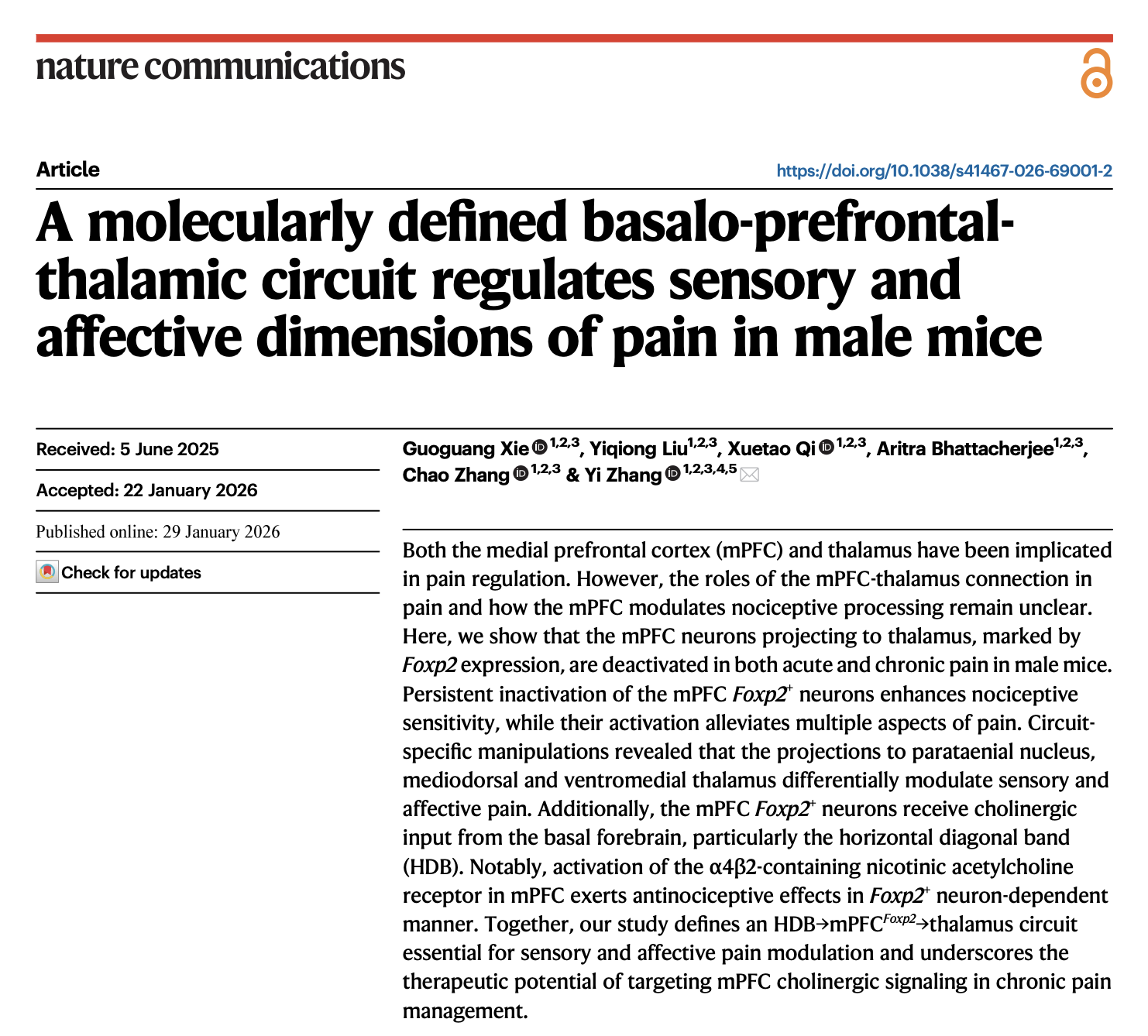
Using this map, we identified Foxp2-expressing PFC neurons projecting to the thalamus that are deactivated during pain; their inactivation heightens pain sensitivity while activation relieves it, distinct thalamic projections separately govern the sensory and affective dimensions of pain, and cholinergic input from the basal forebrain modulates this circuit therapeutically.
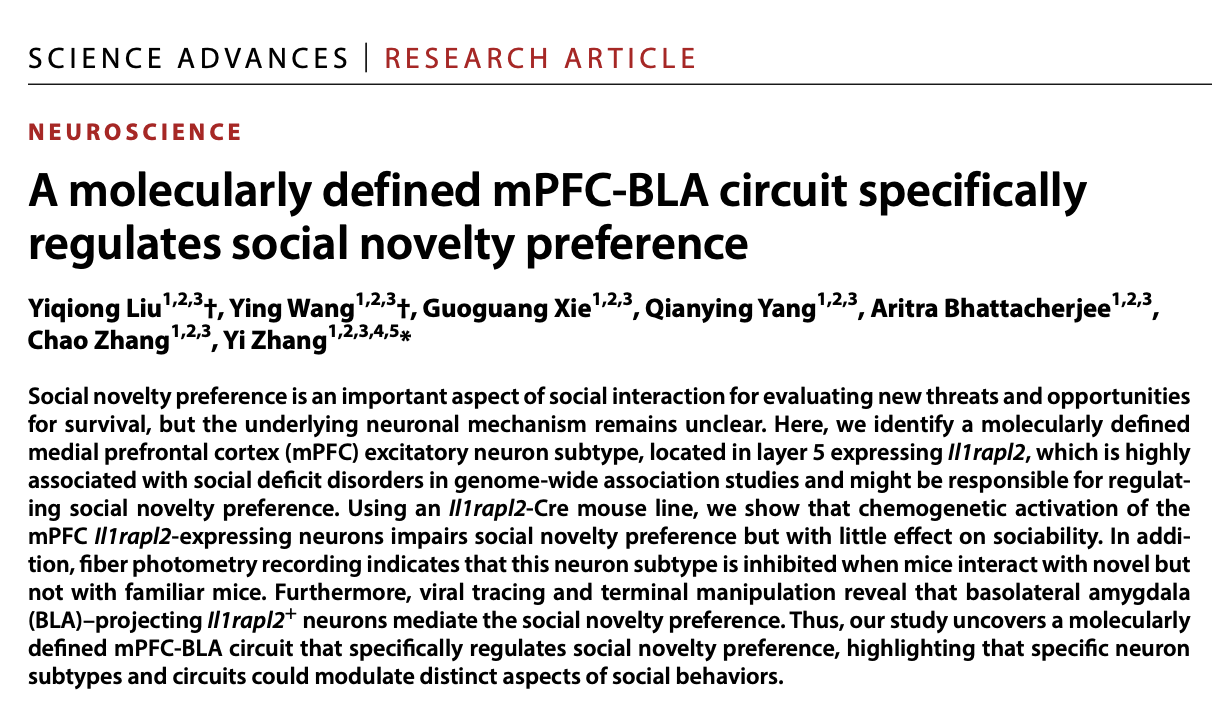
A separate PFC population, marked by Il1rapl2 and linked to social deficit disorders, controls social novelty preference via projections to the basolateral amygdala.
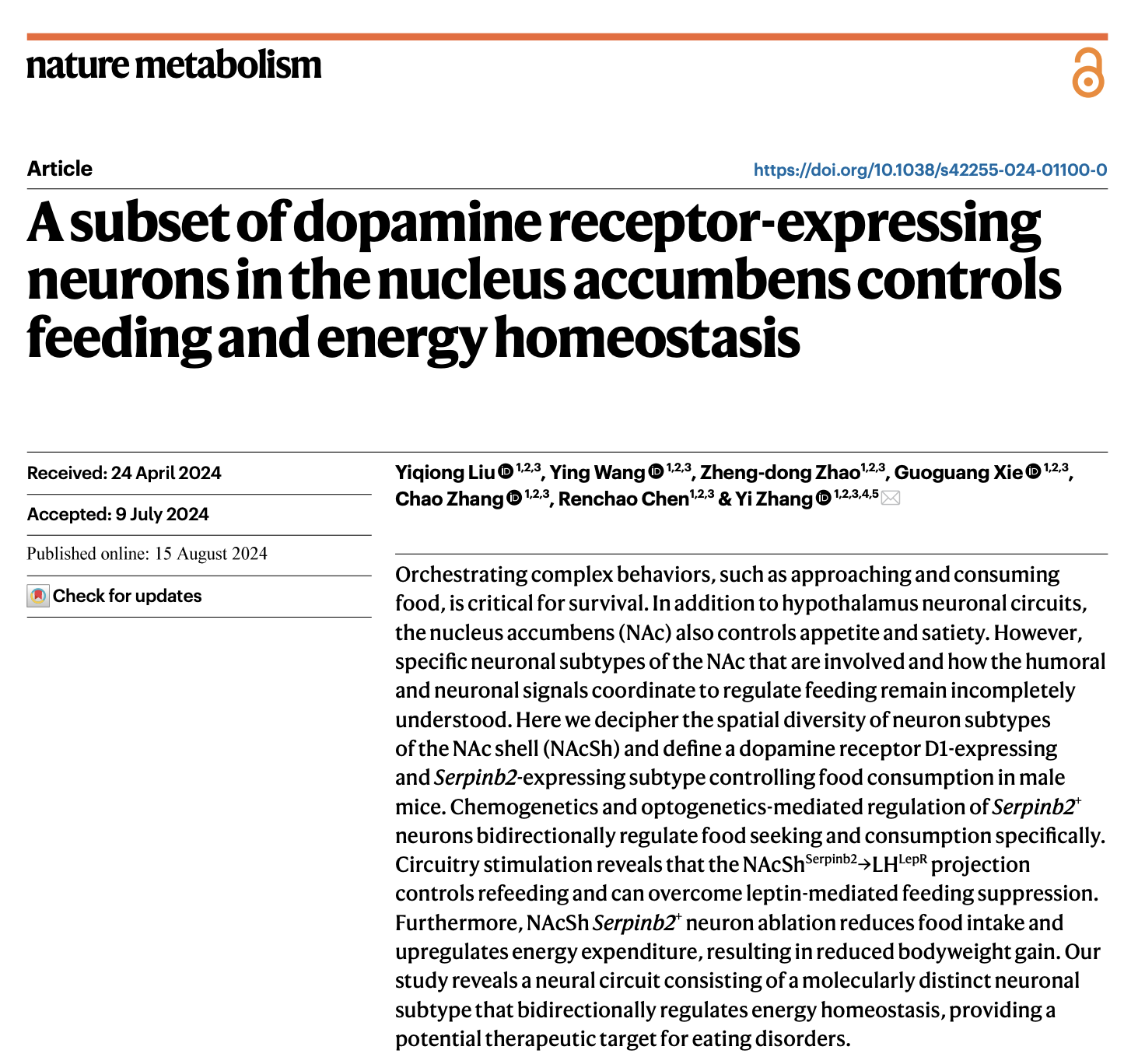
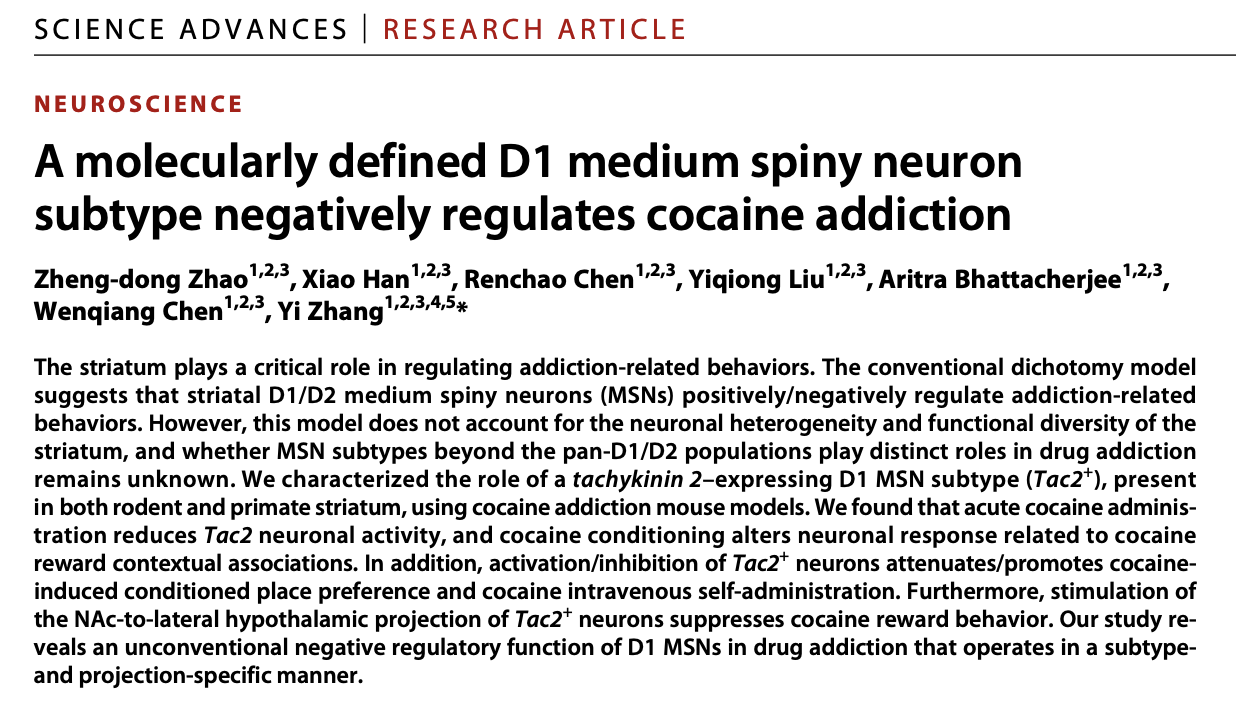
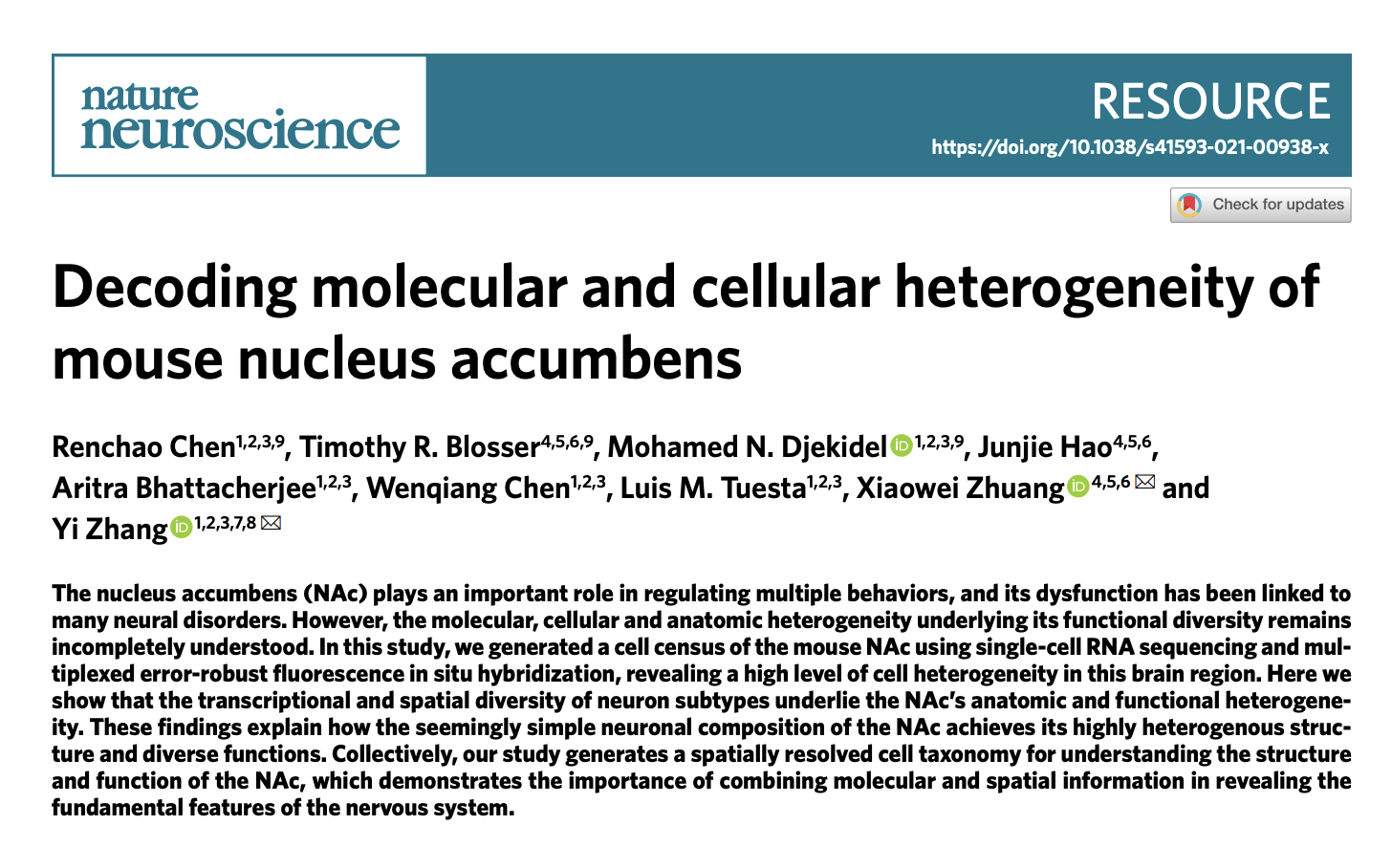
Beyond the PFC, a D1-expressing, Serpinb2-expressing NAc subtype controls food intake through projections to leptin receptor neurons in the lateral hypothalamus, offering a target for eating disorders. In the striatum, a tachykinin 2-expressing D1 neuron subtype negatively regulates cocaine reward, challenging conventional models of D1 neuron function.
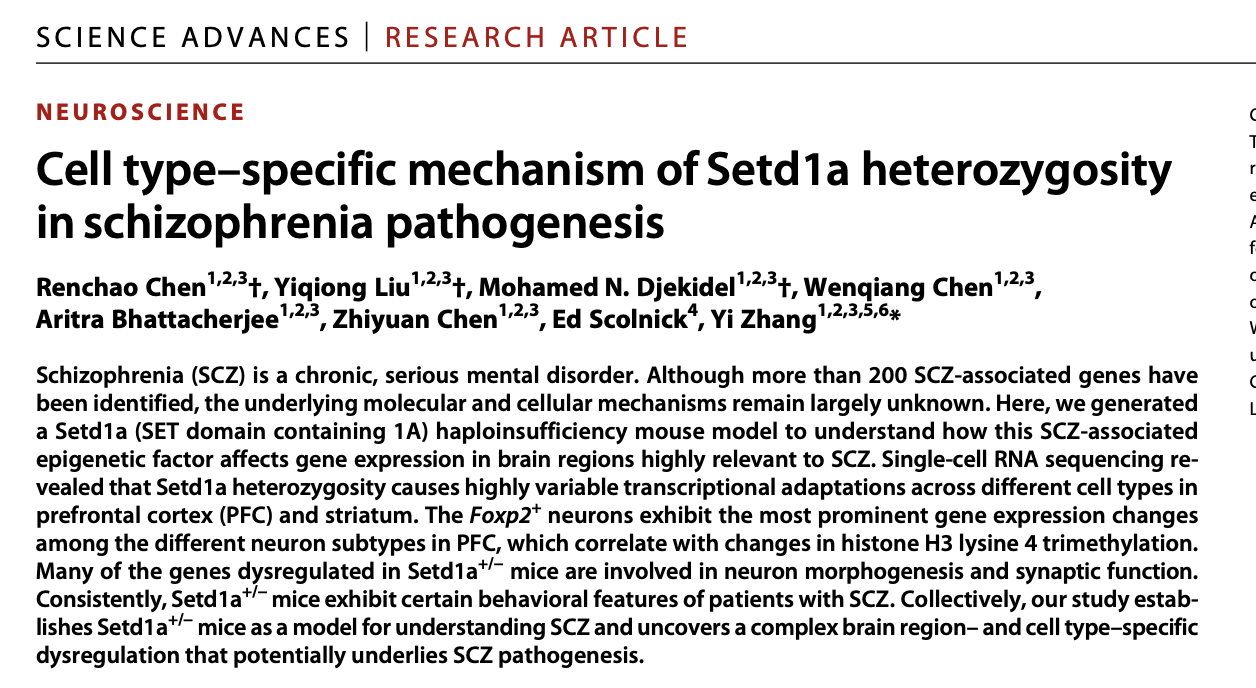
Finally, using a Setd1a haploinsufficiency model, we show that this schizophrenia-associated chromatin regulator produces cell-type-specific transcriptional and behavioral changes, particularly in Foxp2 neurons.
Together, this work maps molecular diversity onto circuit function, revealing targetable entry points into chronic pain, social deficits, feeding disorders, addiction, and schizophrenia.
Recent Publications